THE JEWELS OF THE SEA
Diatoms: A Lens into Planetary Interdependence
Have you ever heard about the Diatoms ? Did you know they produce up to 28% of the oxygen we breathe on planet Earth?
It was 2020 when I hear of them and ever since I have been profoundly captivated. This project is my love letter to them: a heart-made space dedicated to shining a light on one of Earth’s most overlooked wonders. Welcome! 🙂
All around us, in both salt and freshwater, these tiny organisms quietly flourish. The diatoms are a group of microscopic, single-celled eukaryotic algae. There are an estimated 100,000 to 200,000 species of diatoms, constituting one of the most diverse groups of algae and are found in a wide range of aquatic environments, from oceans and rivers to lakes and even damp soil. They play a vital role sustaining marine and freshwater ecosystems and are fundamental to the balance of life on Earth.
Diatoms go beyond oxygen and water. Their frustules (name given to their hard, siliceous outer shells), fall onto the bottom of the maritime ocean once their life cycle ends. This remnant material, called diatomite or diatomaceous earth, is used commercially as filters, mineral fillers, mechanical insecticide, in insulation material, anti-caking agents, as a fine abrasive, and more…
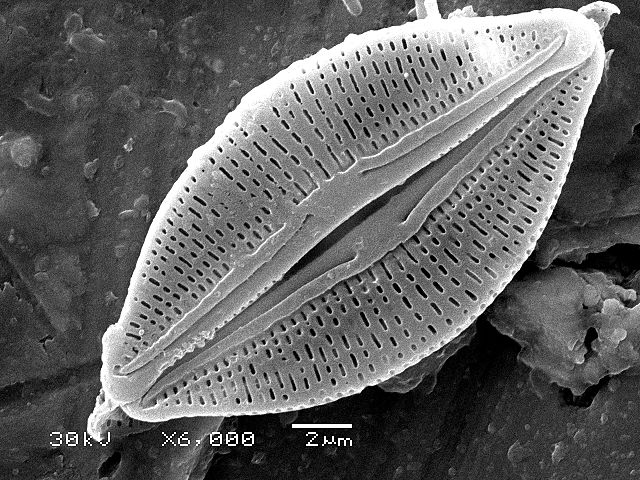
Frustule of diatom algae Amphora. Image by Frank Fox [CC BY-SA 3.0], via Wikimedia Commons.
The Sahara desert was once an aquatic environment, and large areas of this desert is compound of diatomite (The Green Sahara & diatoms). Some scientists found that currents of air lift this material and make it travel all the way to the other side of the world, to then “fall from the sky” with the rain, onto the amazonian rain-forest and there, the frustules fertilize the land (Saharan dust carrying diatomite to the Amazon). Isn’t that amazing?! You can even buy diatom soil online to fertilize your plants at home .:)
Diatoms exist at both extremes of our vision, invisible to the naked eye, yet massive enough to be seen from space. Only a microscope or a satellite can reveal them to us.
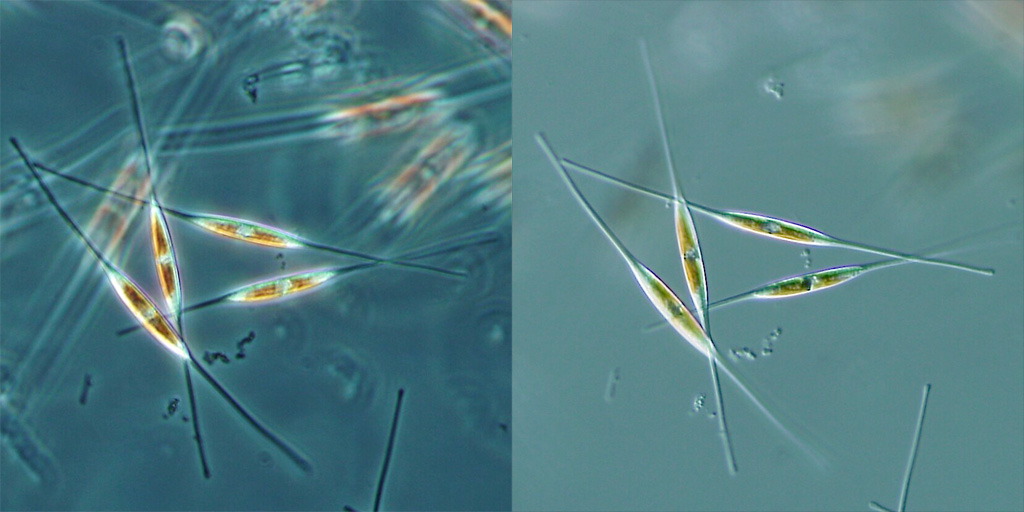
Diatoms under microscope. Image by Richard Bartz, Munich [CC BY-SA 2.5], via Wikimedia Commons.
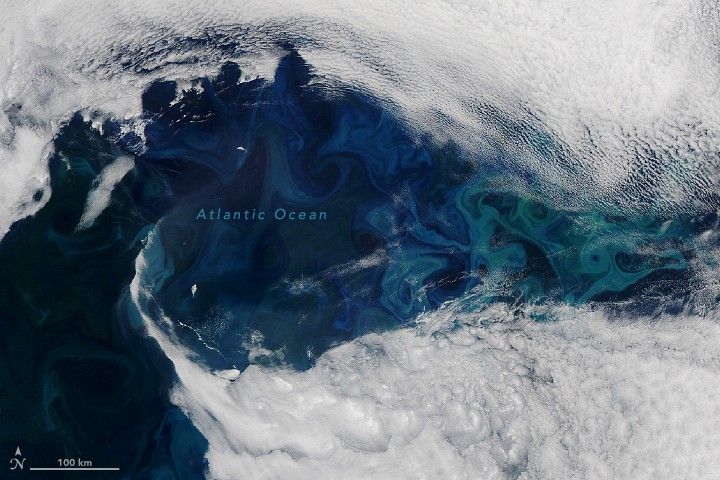
© NASA Earth Observatory. Image by Lauren Dauphin, June 16, 2024.
This singularity inspired Diatom Universes, a series of paintings in acrylic and silkscreen where I showcase diatoms as seen from satellites above, and microscopes below.
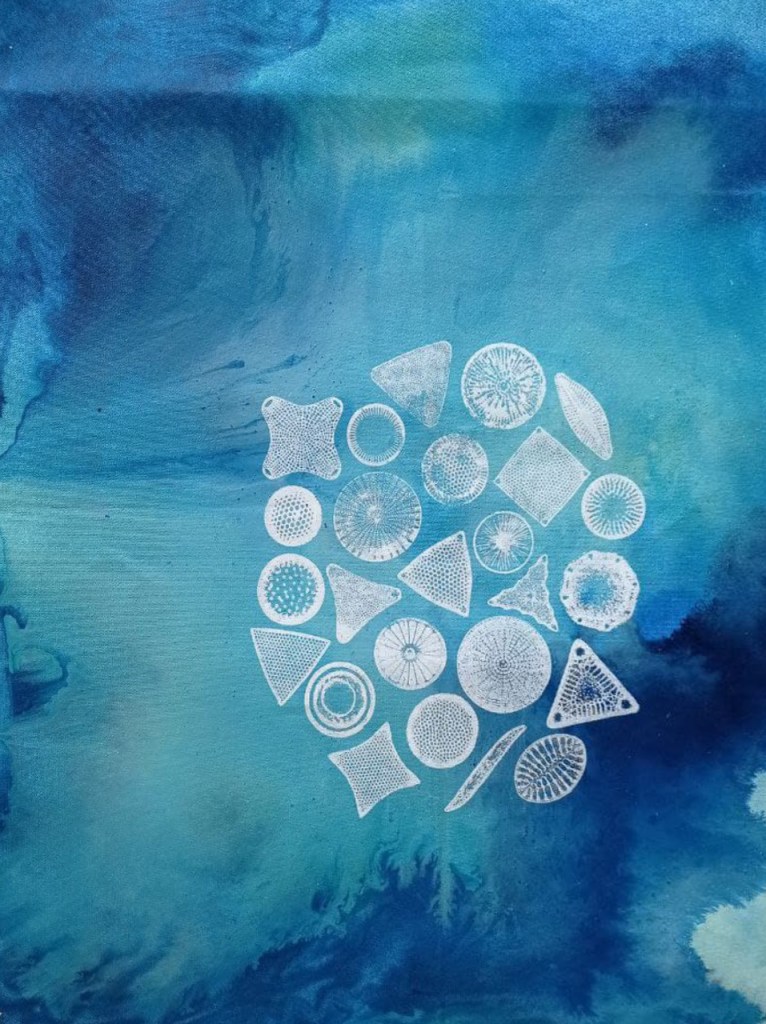
Diatom Universe (2020) © Eliana Araque. .
Those beautiful shades of green and blue are known as diatom bloom, a swift, substantial increase in the population of diatoms. (Biology Insights) Think of it like a population explosion, millions upon millions of these microscopic glass organisms multiplying rapidly in the water column. Quite spectacular! Isn’t it?
Inspired in these beautiful blooms, I painted Diatoms Space. This artwork was featured as the cover of the Belonging.txt of 2026, a conscious initiative accentuating the voices of solidarity and gentle reminder for us to remain mindful of the role and significance of water in our daily life.
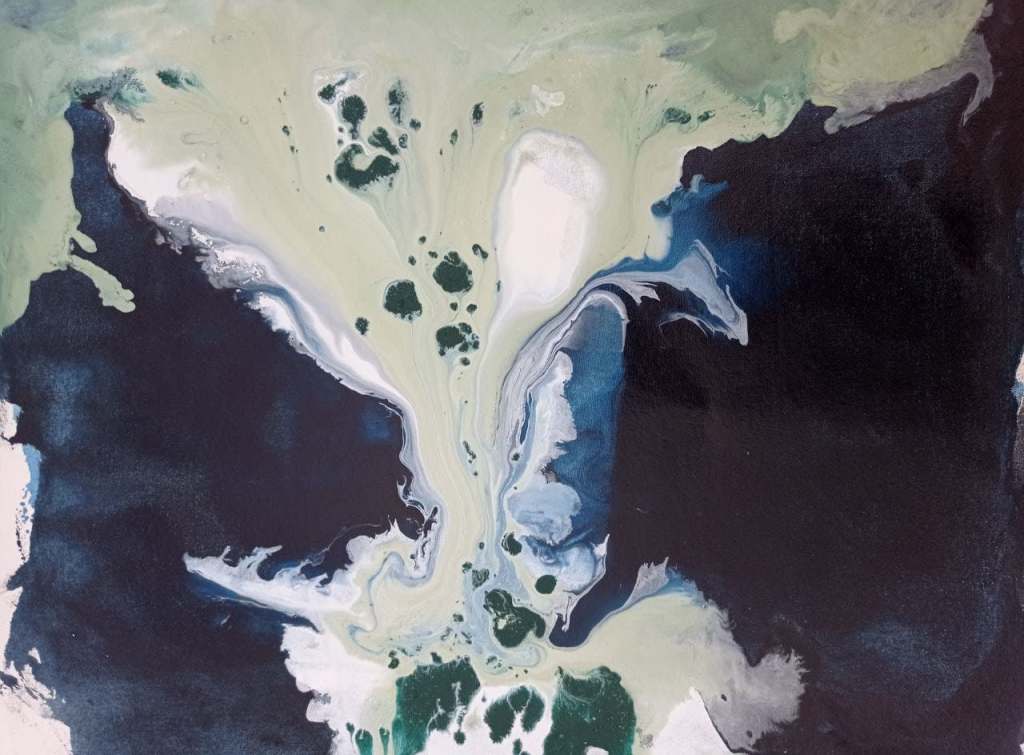
Diatom Space 2020 © Eliana Araque.
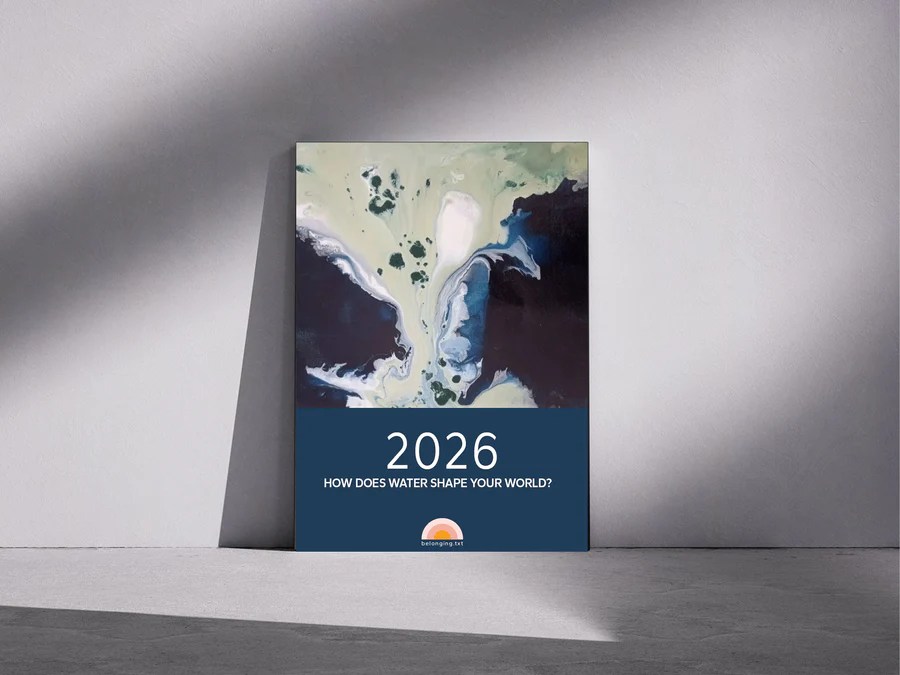
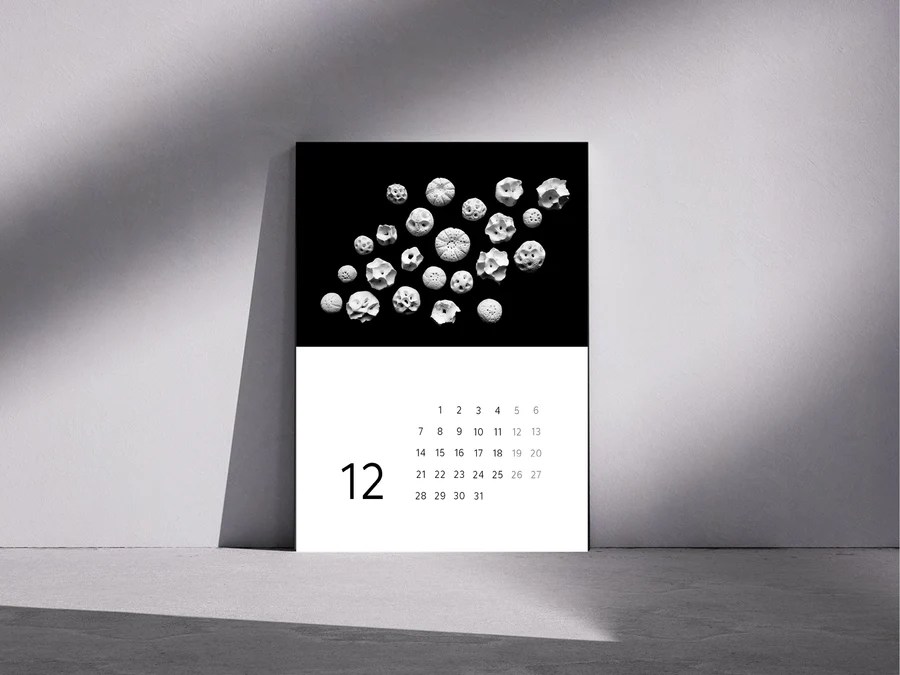
Art contribution to the Belonging.txt calendar 2026. Cover page and month of December.
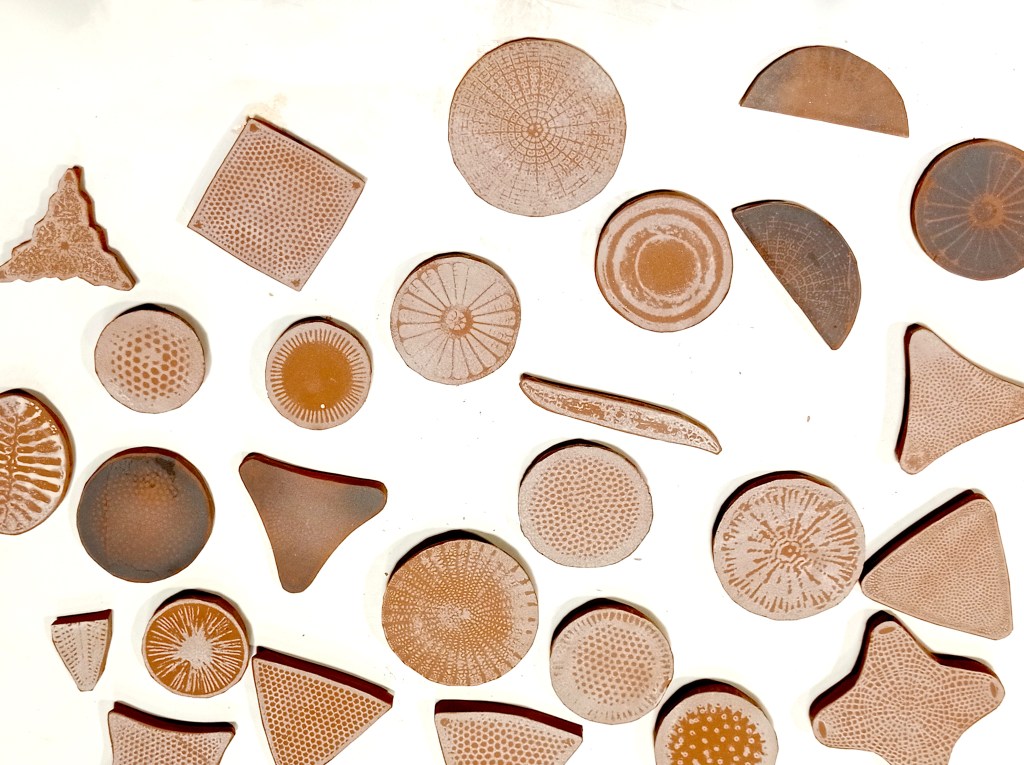
Sculpture and installation art are my default media for expression, so this was my way to praise them, producing more than 50 ceramic sculptures inspired in the shape of their frustules.
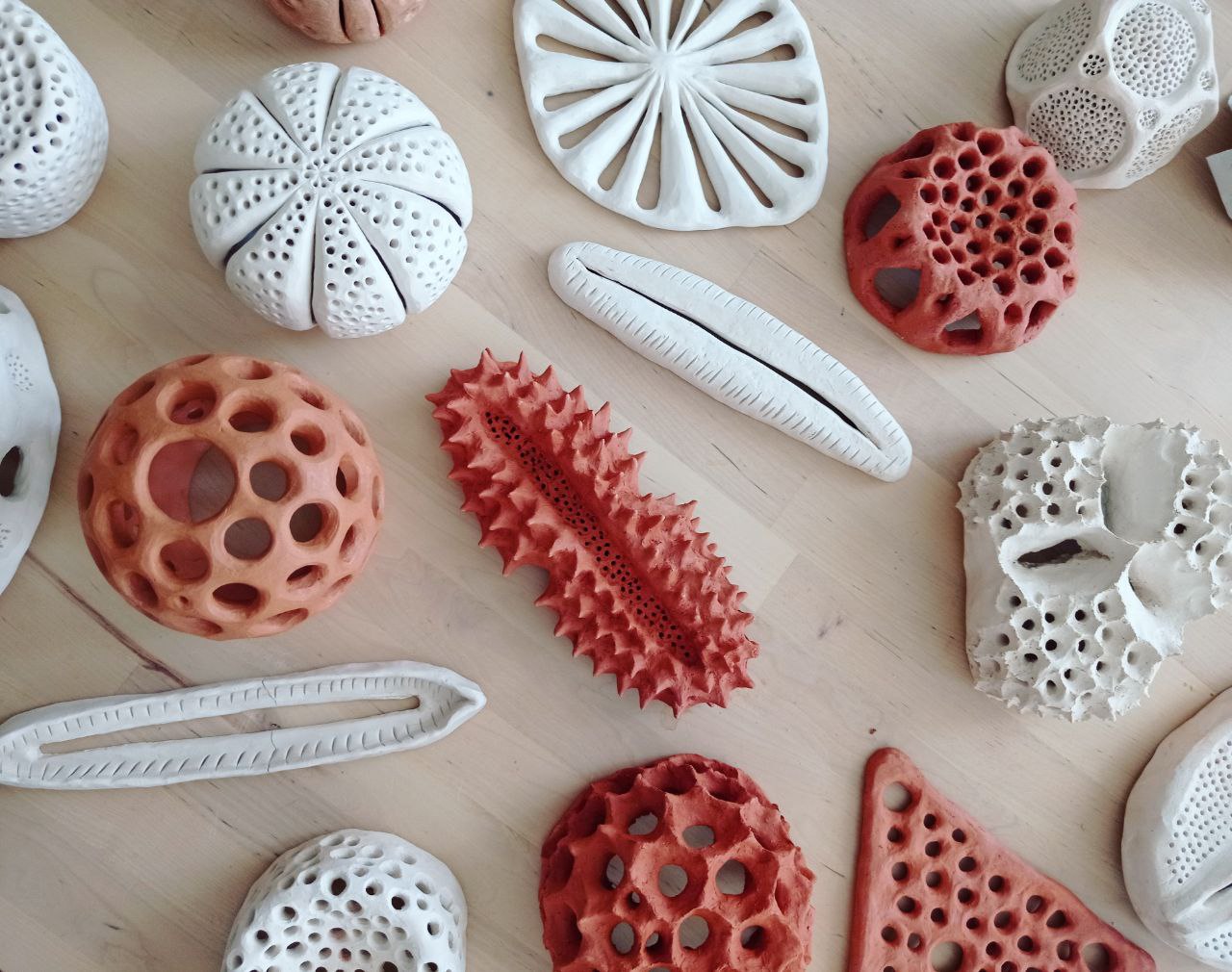
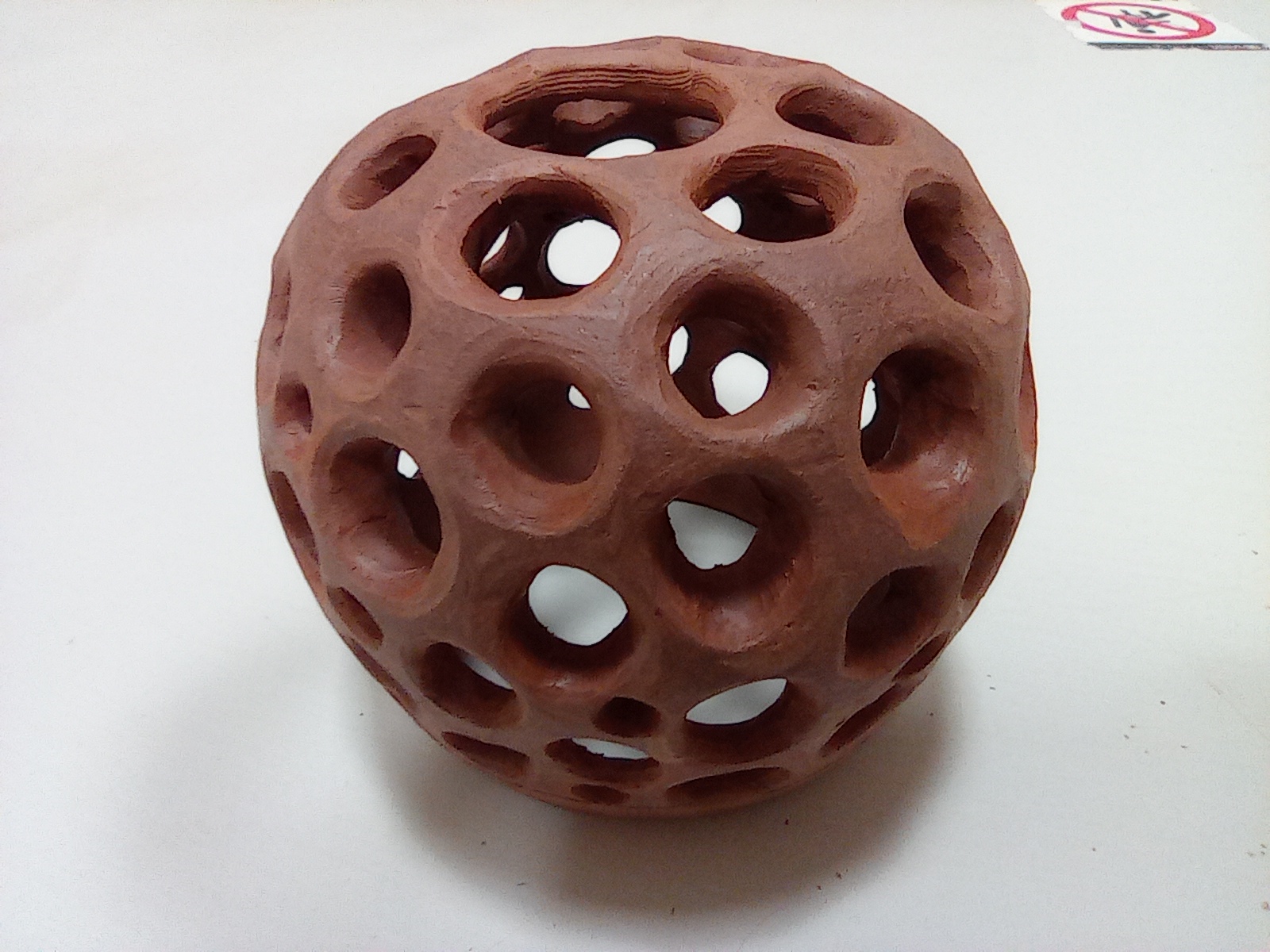
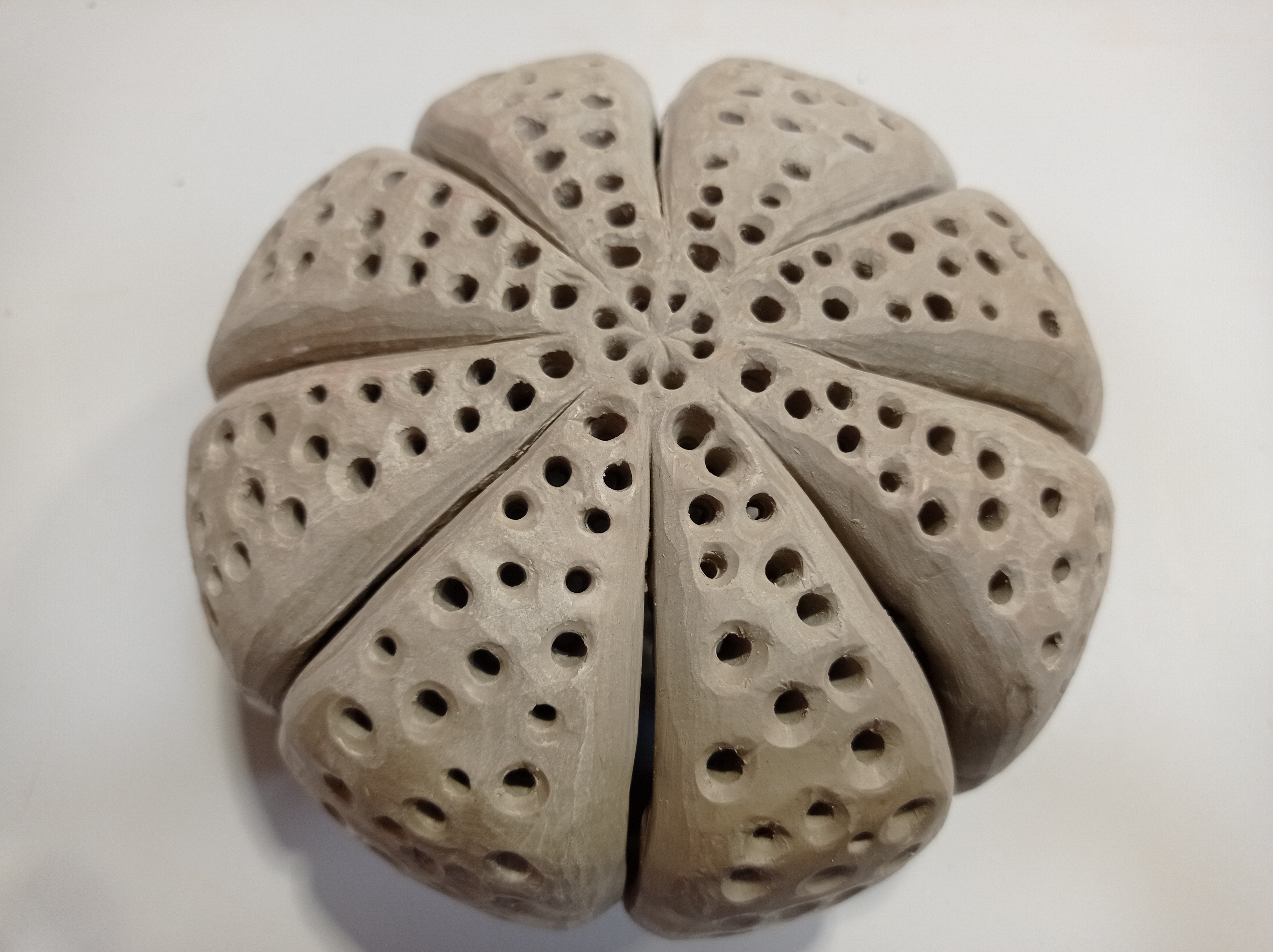
Diatom-like Ceramic Biomorphic Sculptures (2020-2022) © Eliana Araque.
THE Art & Science
SYMBIOSIS
I believe it was a breath of the Diatoms that made my path connect to the amazing people at the Kröger Lab, at the BCUBE in the Technische Universität Dresden. After two years of actively working with these beings with all sorts of material online, I could finally meet some of them in person on a Summer Sunday when Prof. Kröger and Prof. Poulsen warmly welcomed me at their lab in 2022. There they were, alive right in front of me. So beautiful, so vulnerable.
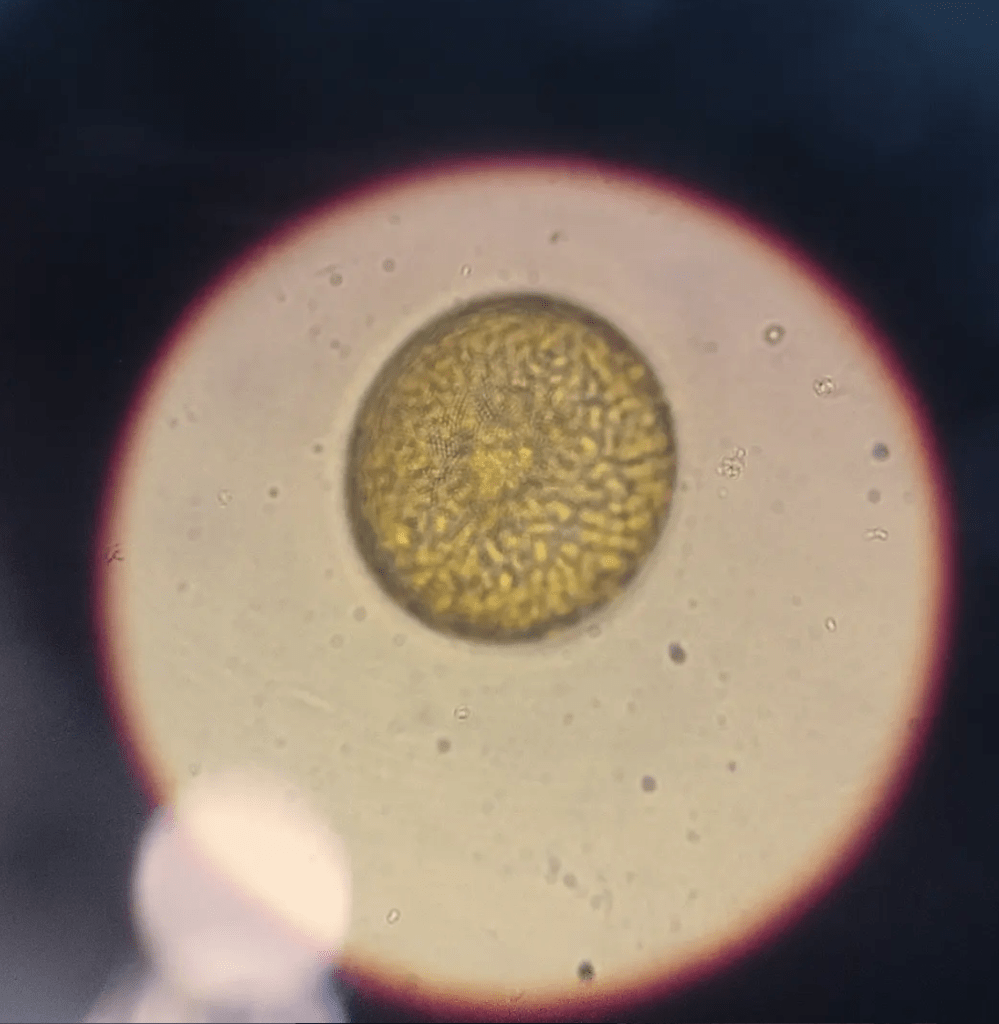
Coscinodiscus Diatom under a microscope at The Kröger Lab TU. Photo taken on 26.06.2022.
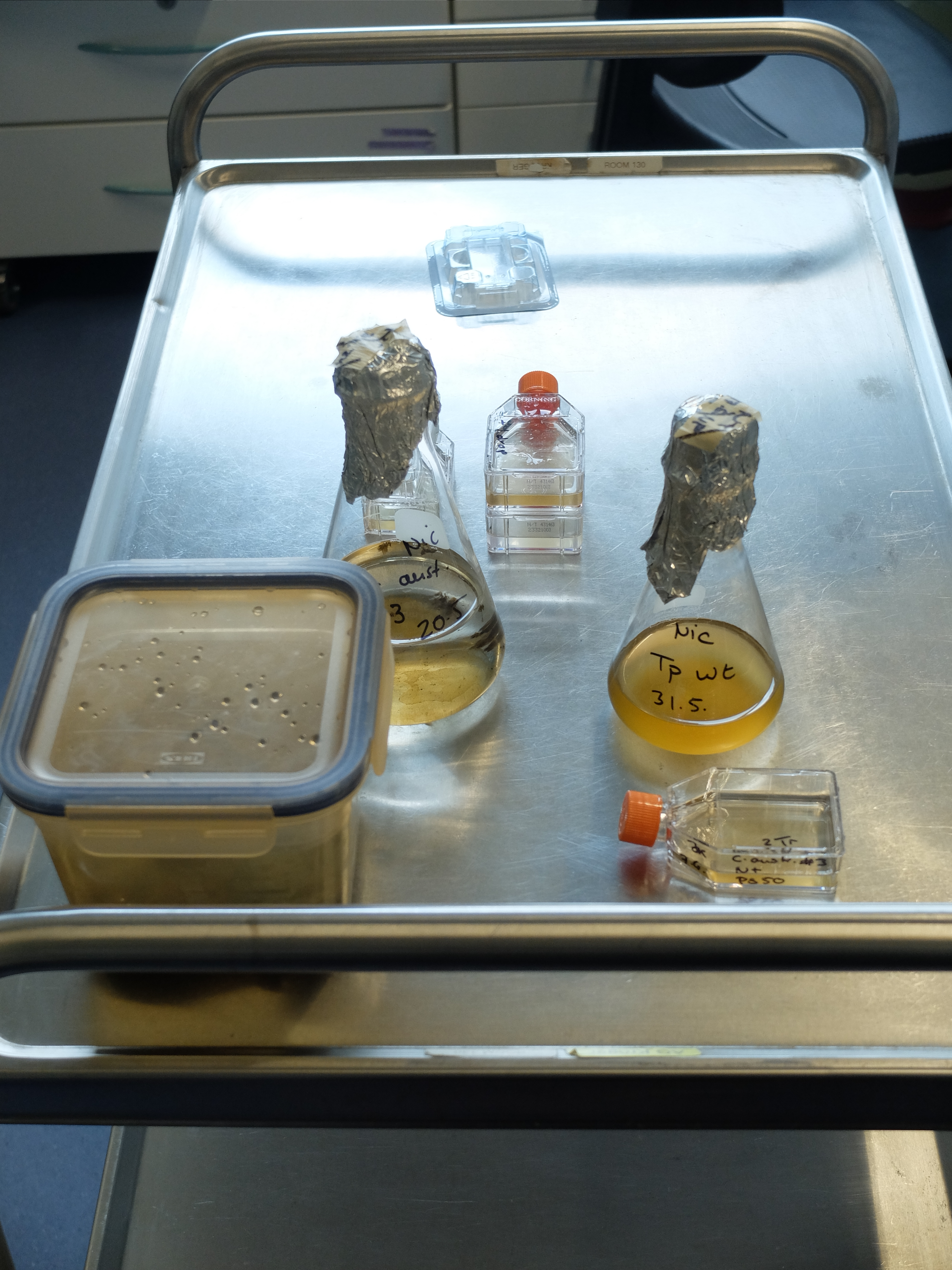
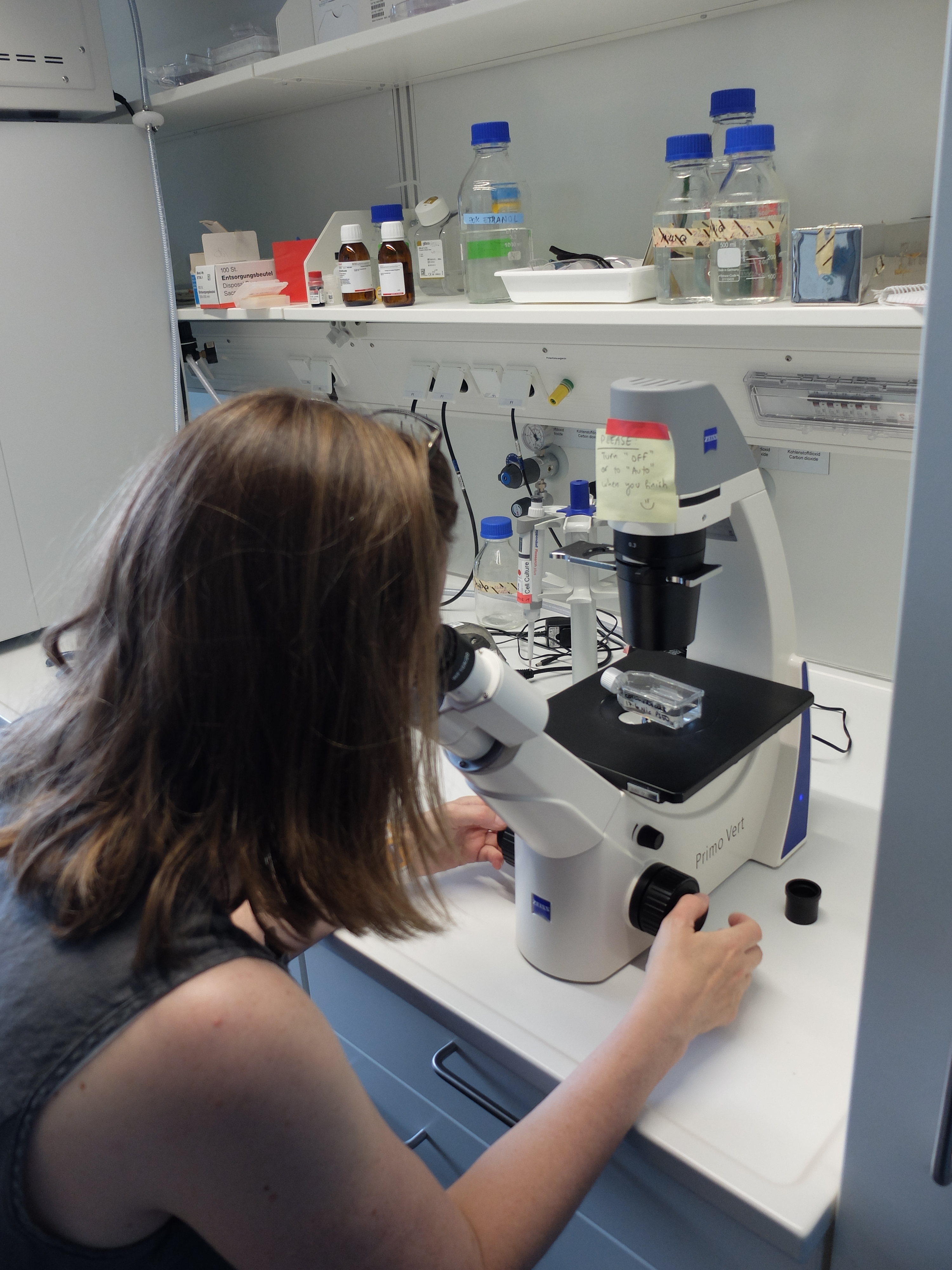
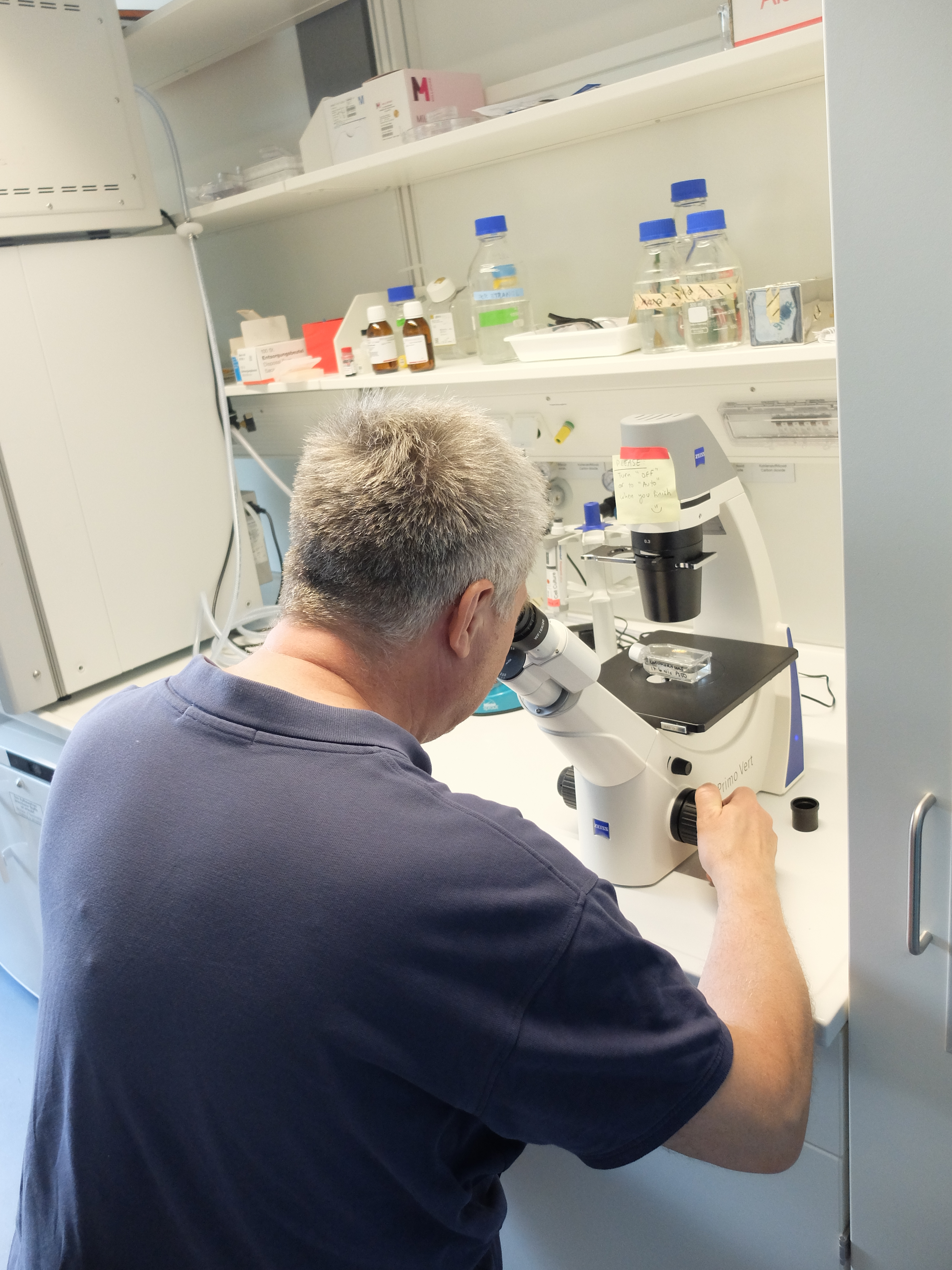
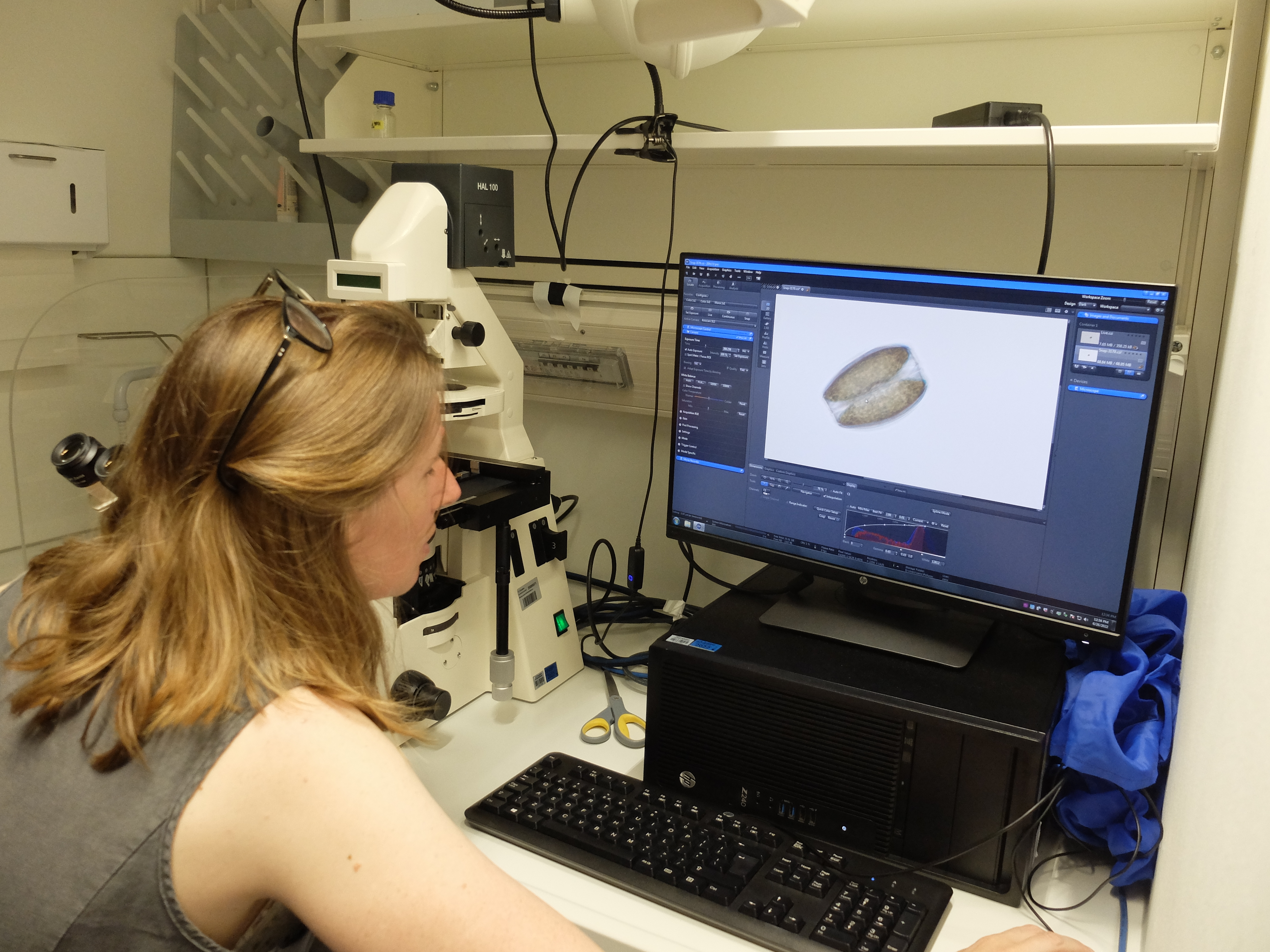
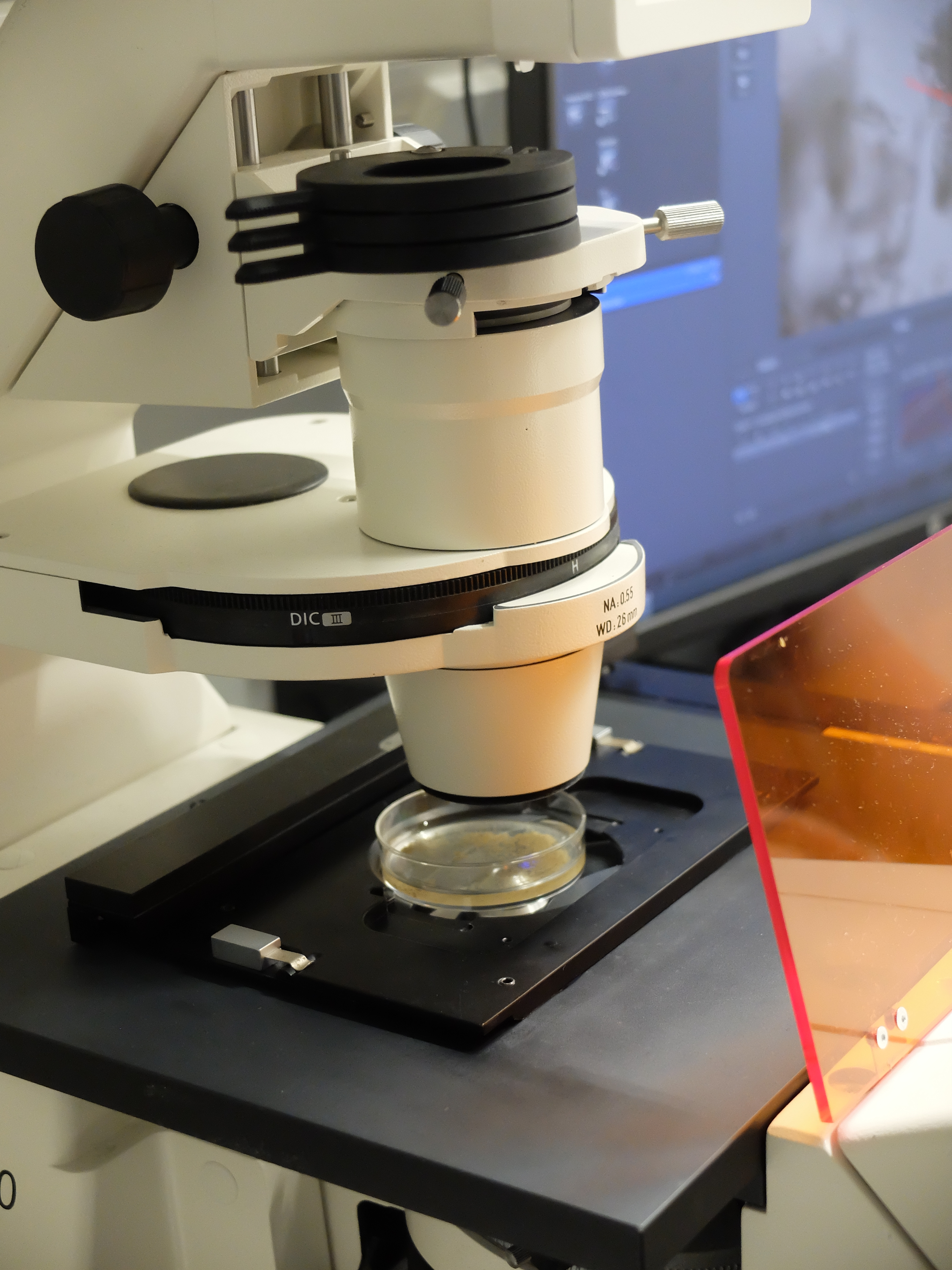
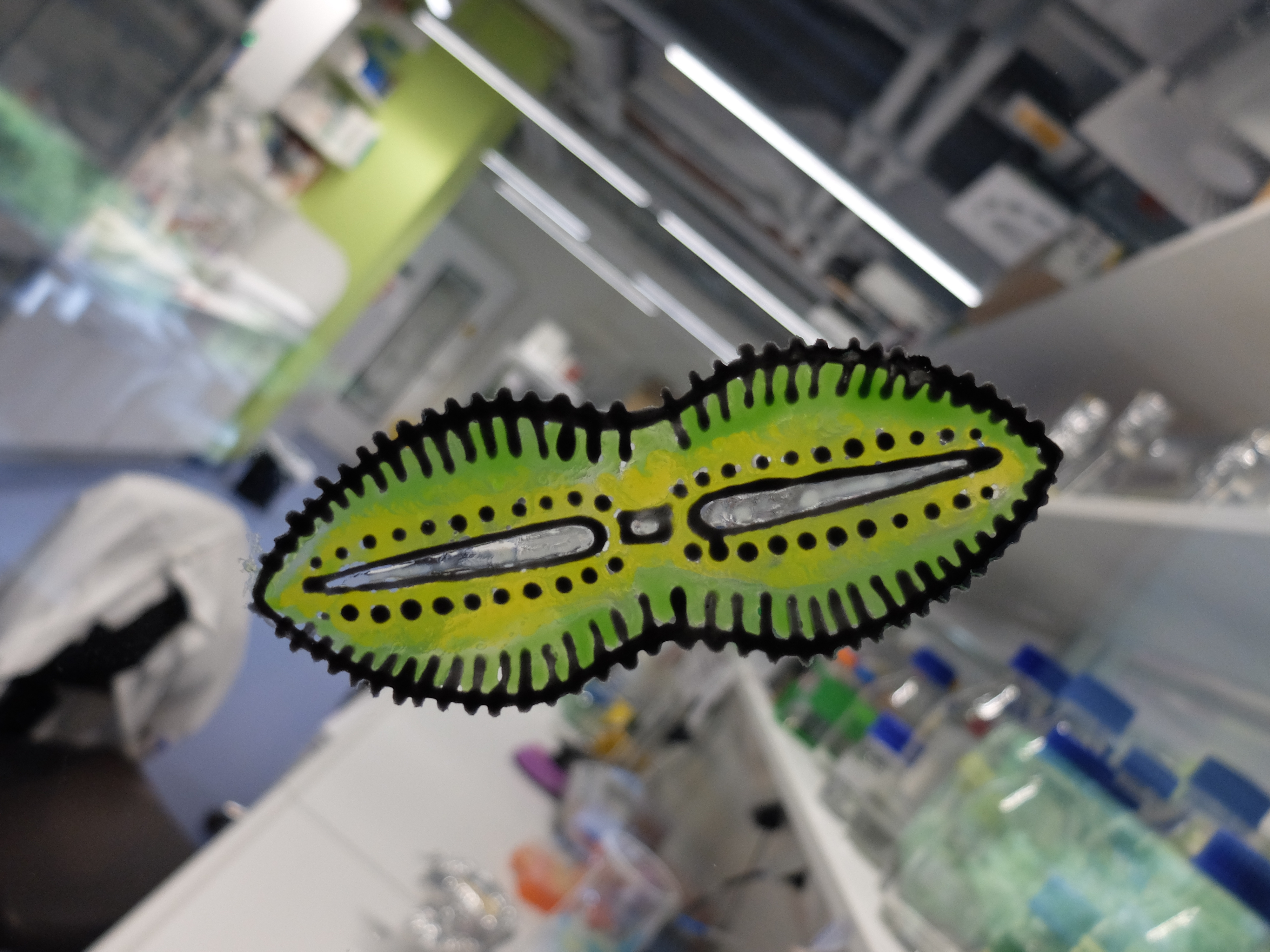
Visit to the Kröger Lab on June 26th, 2022. Collection of samples from pond water and microscopic visualization.
In summer 2023, the project was invited to the Long Night of Sciences at BCUBE, where I created a workshop devoted to the beauty, significance, and ecological importance of diatoms. Together, we encountered these microscopic beings through scientific knowledge and artistic making, creating pendants inspired by their frustules. We then paused to breathe, bringing our attention to the fact that some of the oxygen sustaining each breath is produced by organisms like diatoms. Participants took their pendants home as small reminders of our “new friends”, keeping them close to their hearts, and carrying with them a renewed awareness of the life that surrounds and sustains us.
The Jewels of the Sea has been part of the Long Night of Science in Dresden in 2024 and 2026.
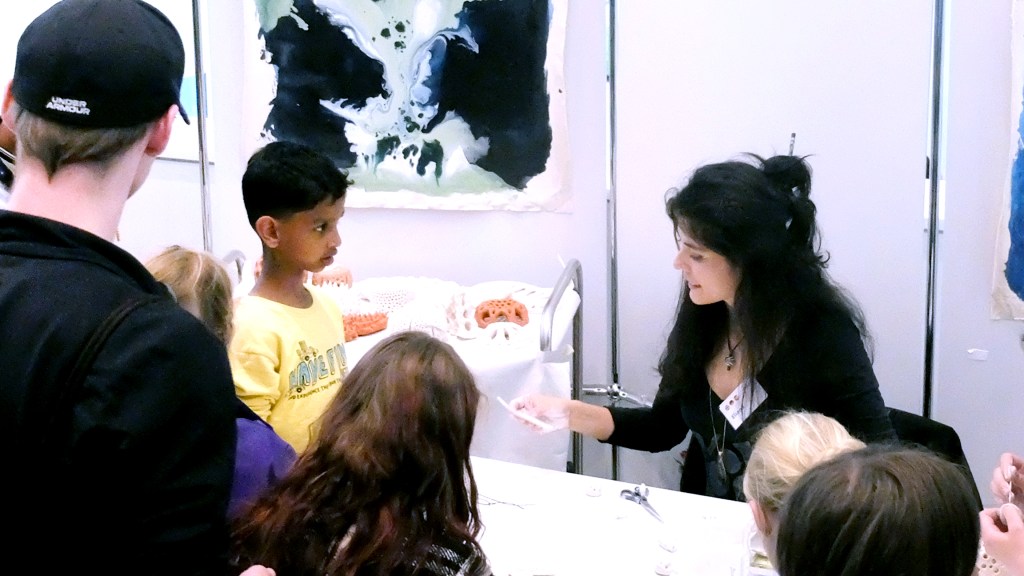
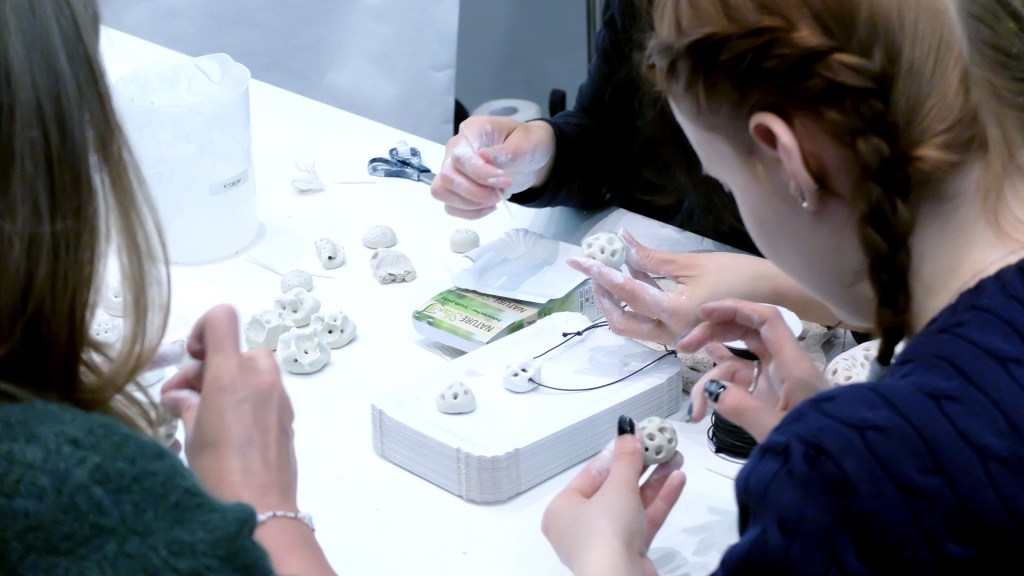
LNdW © TUD Magdalena-Gonciarz
Our “Collection”
Symbiosis
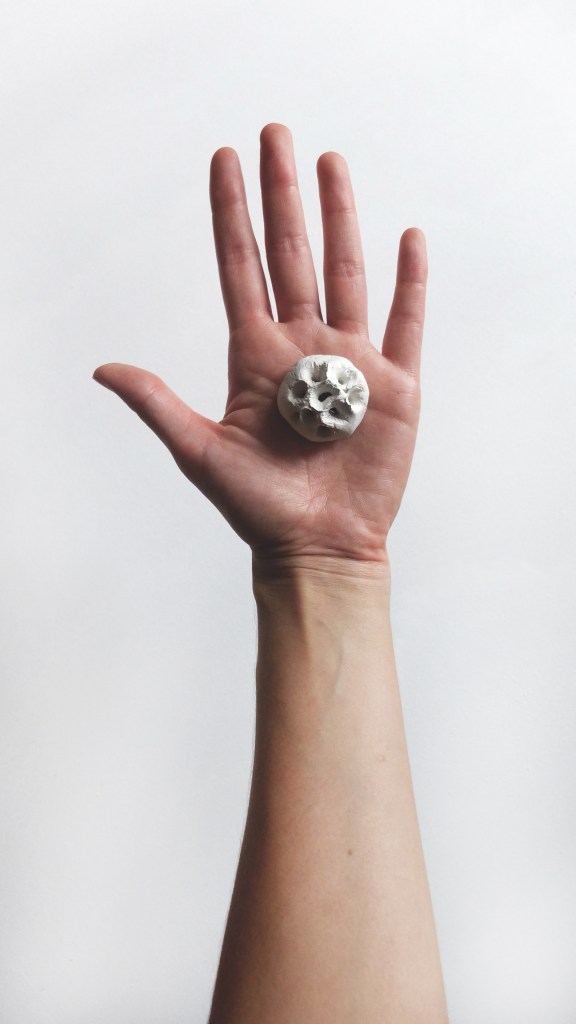
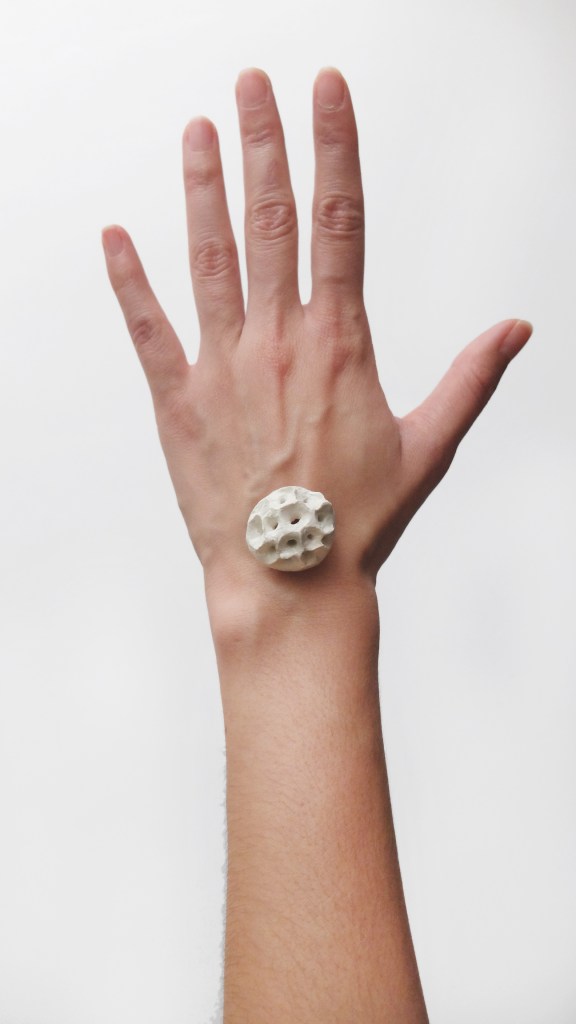
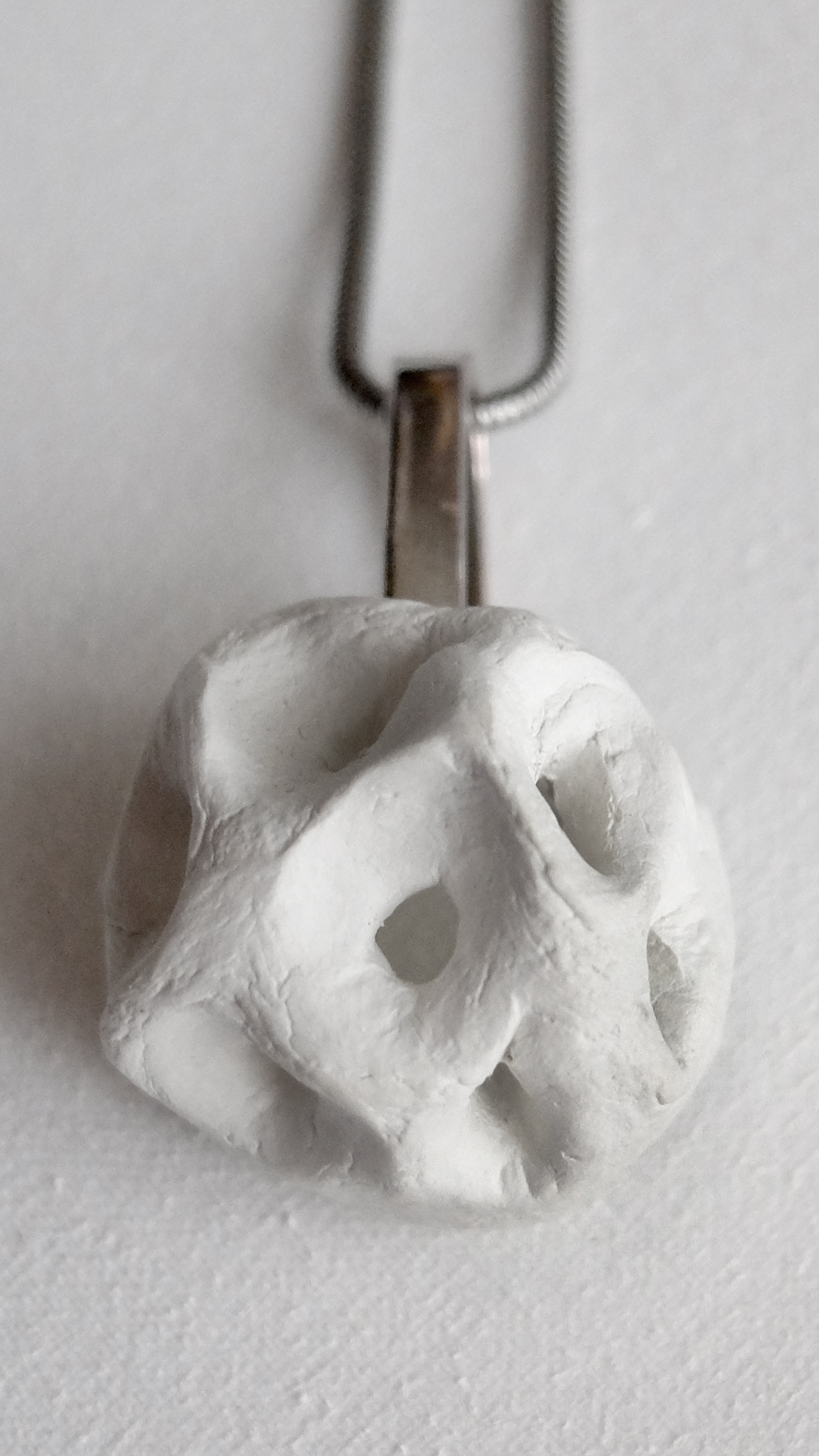
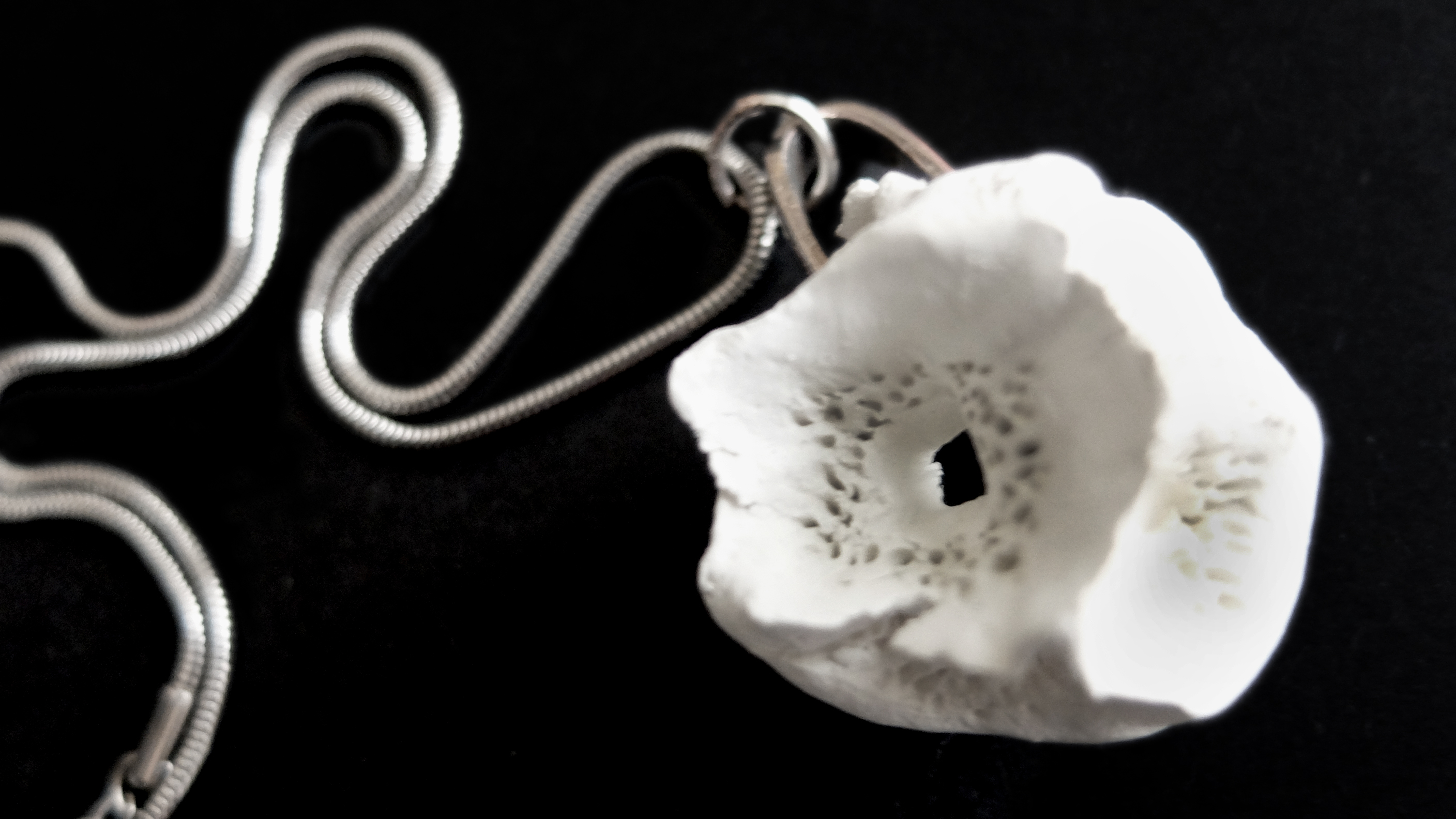
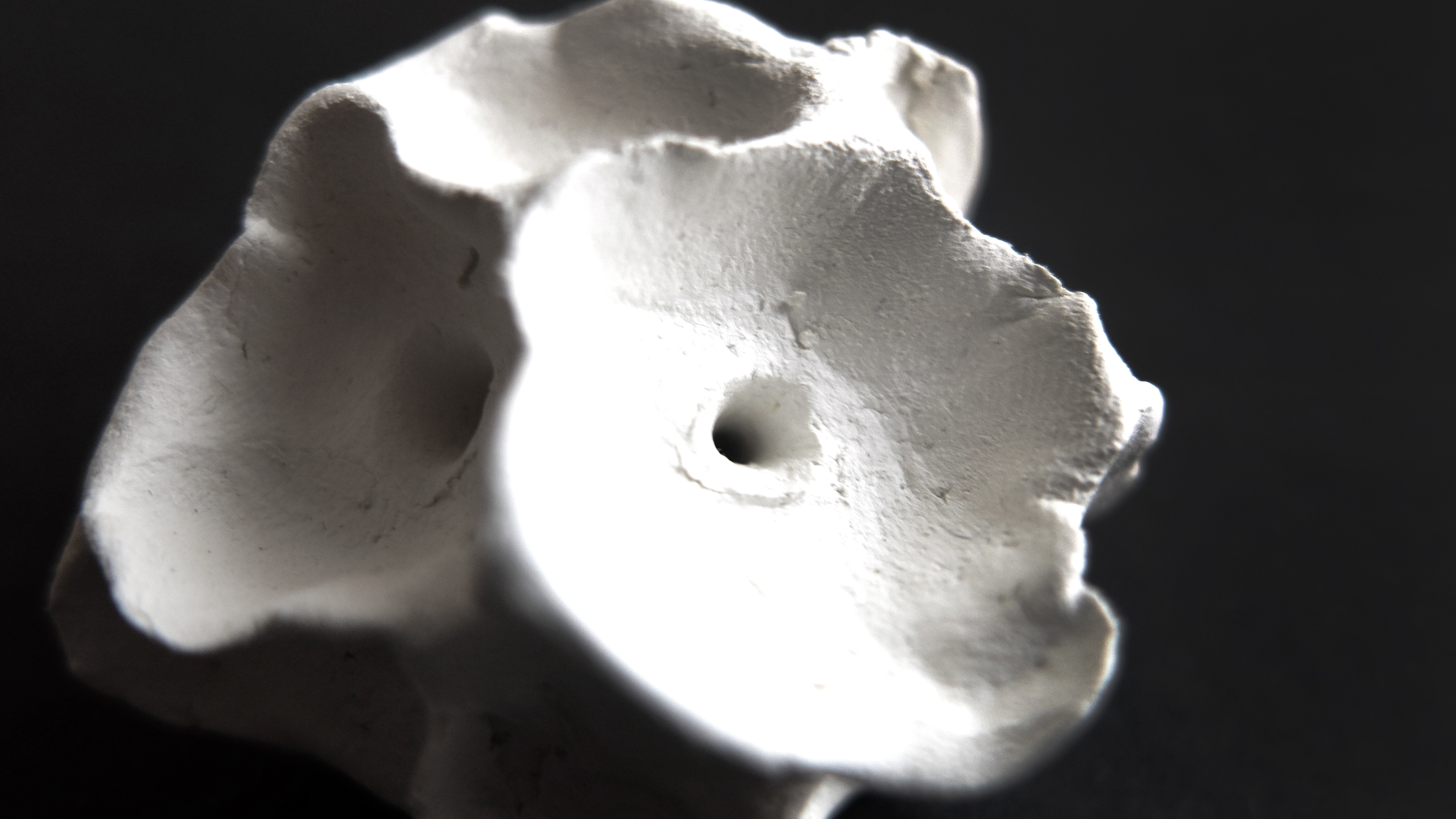
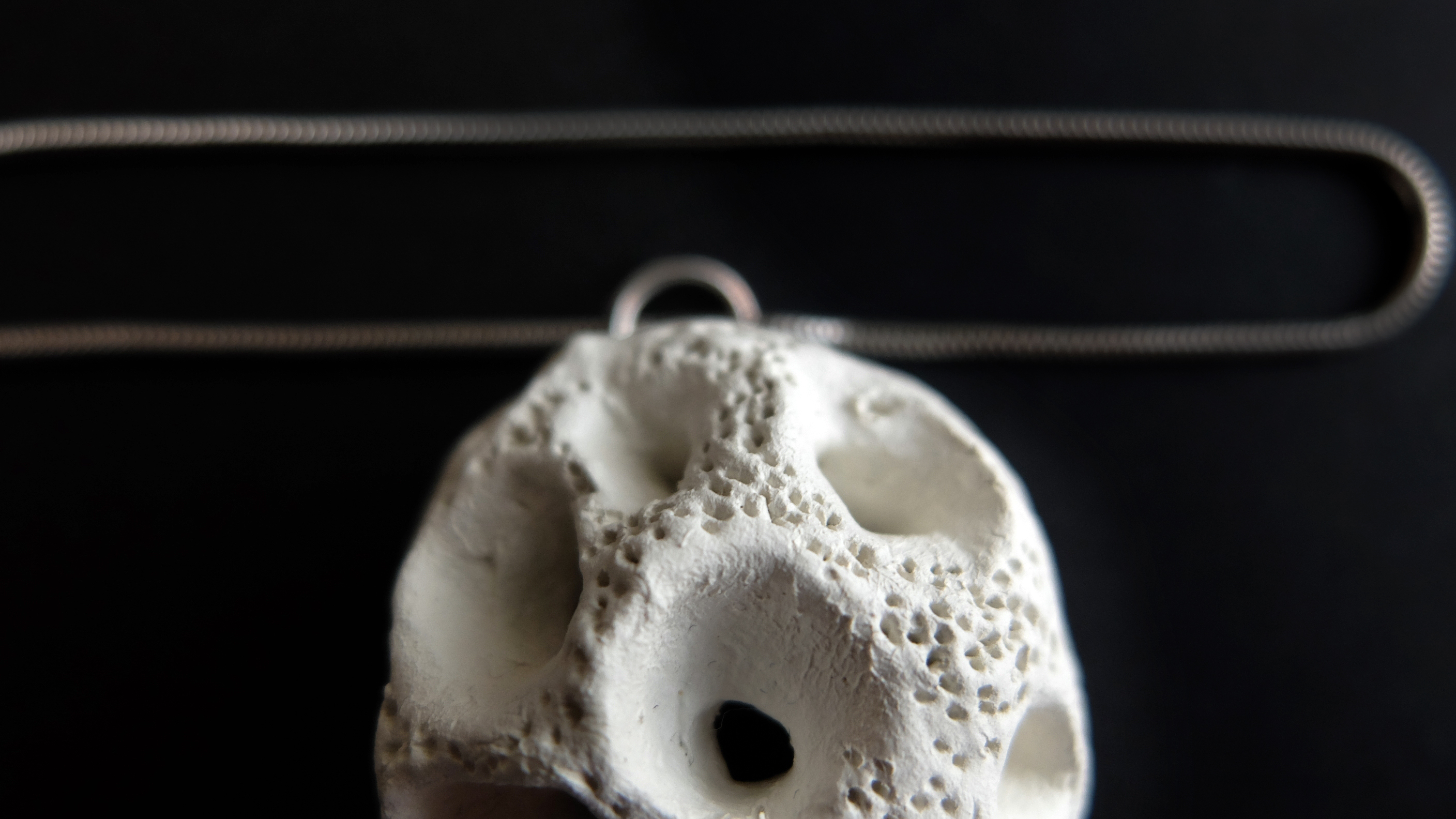
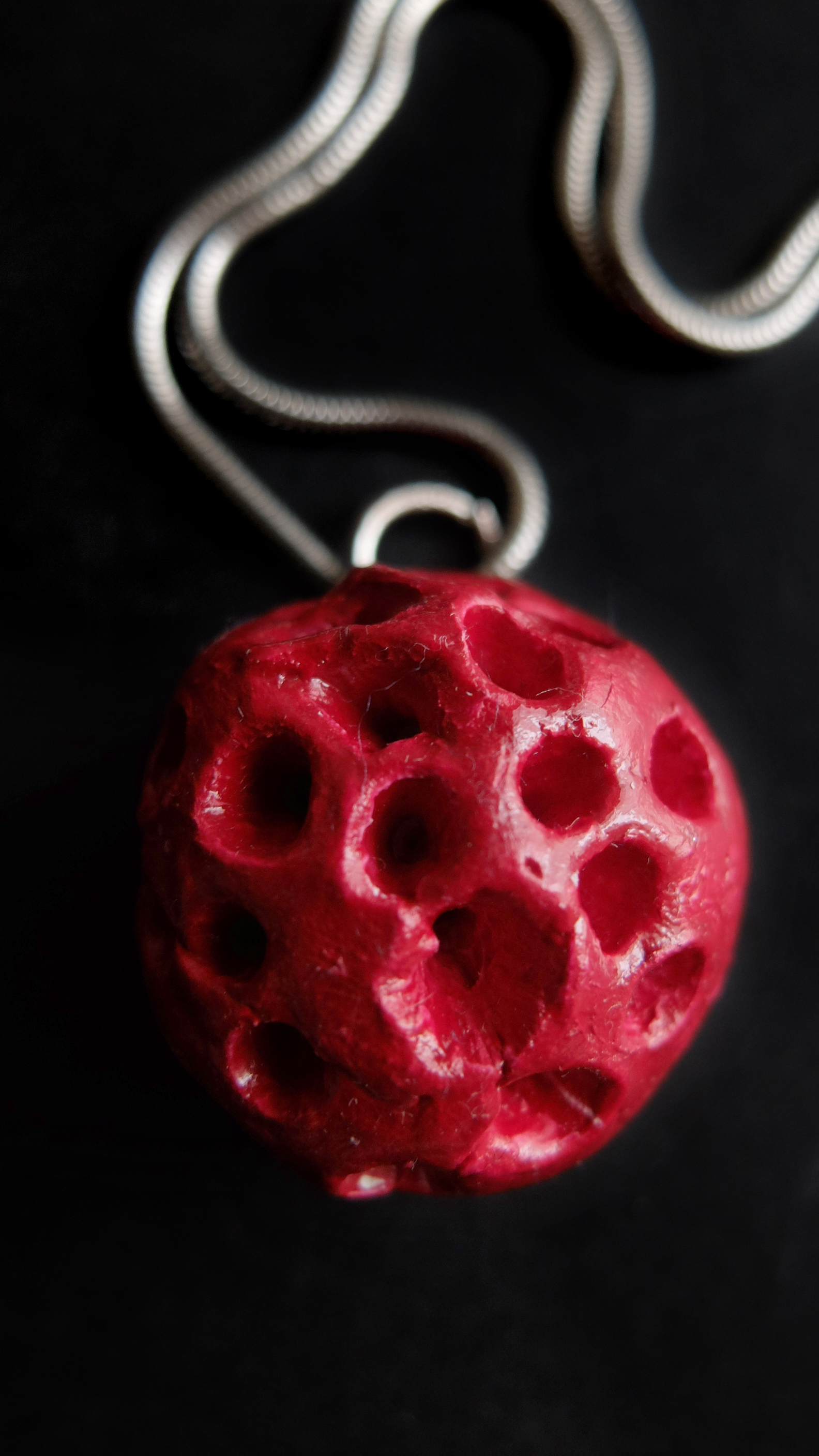
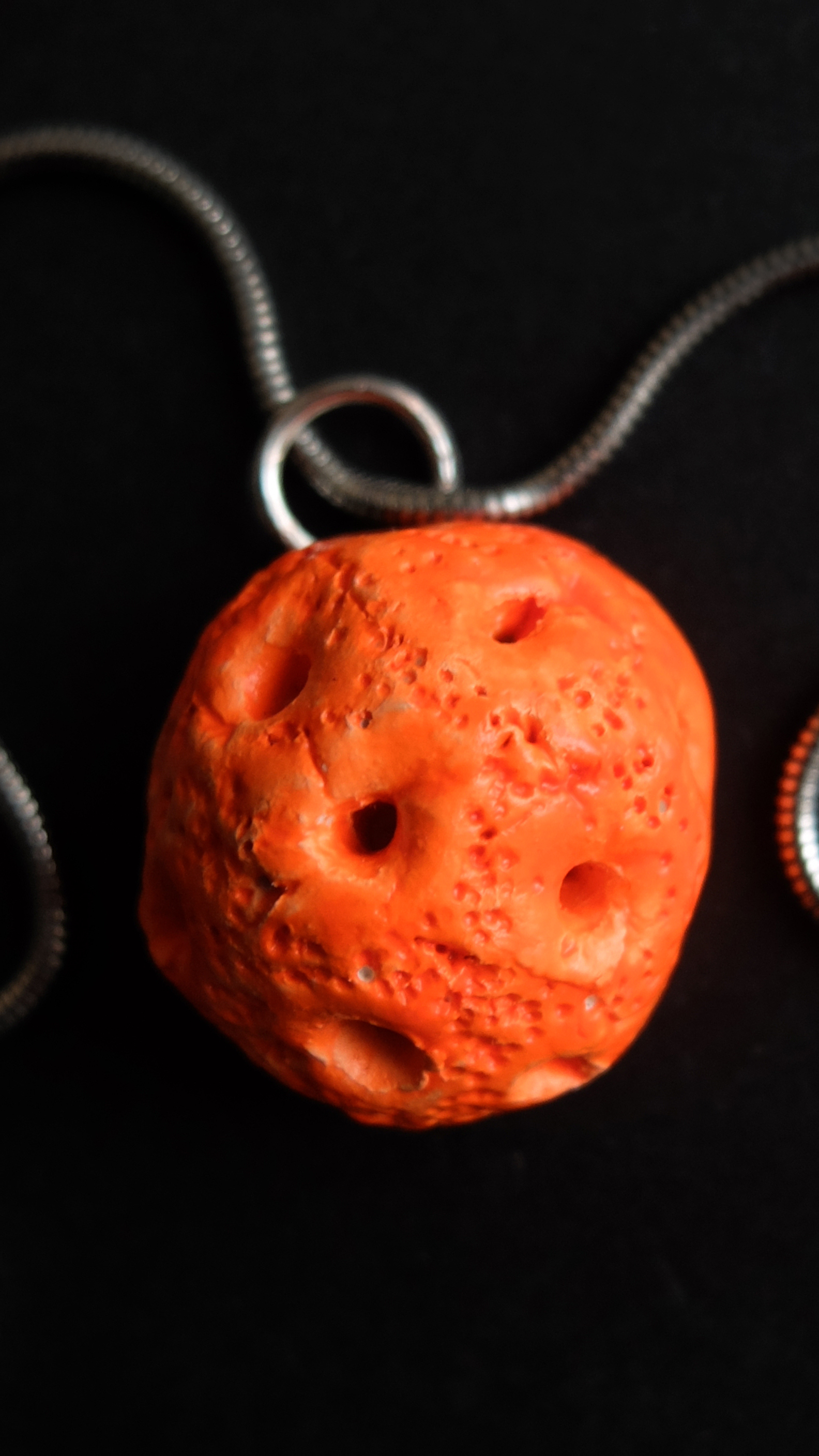
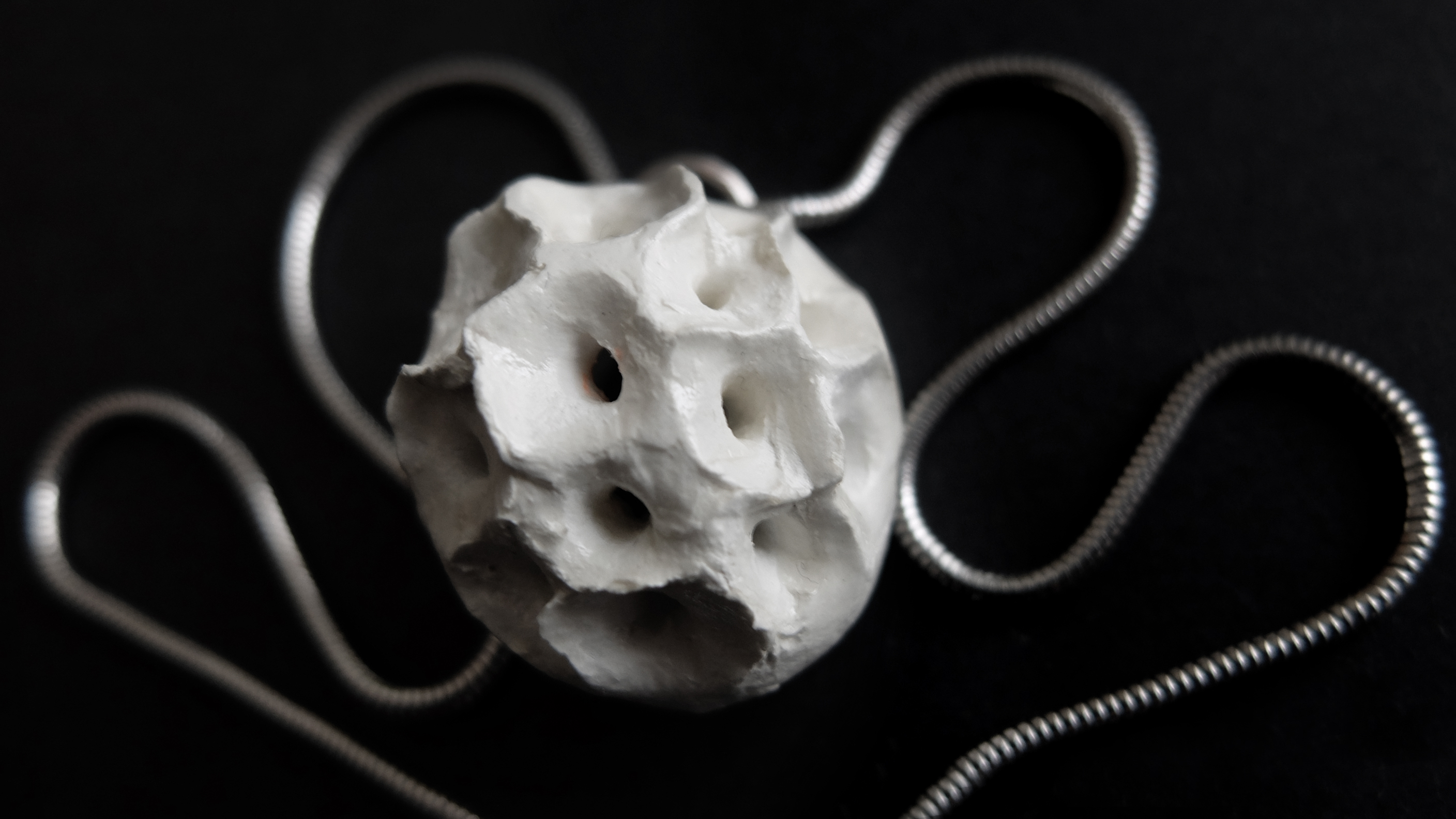
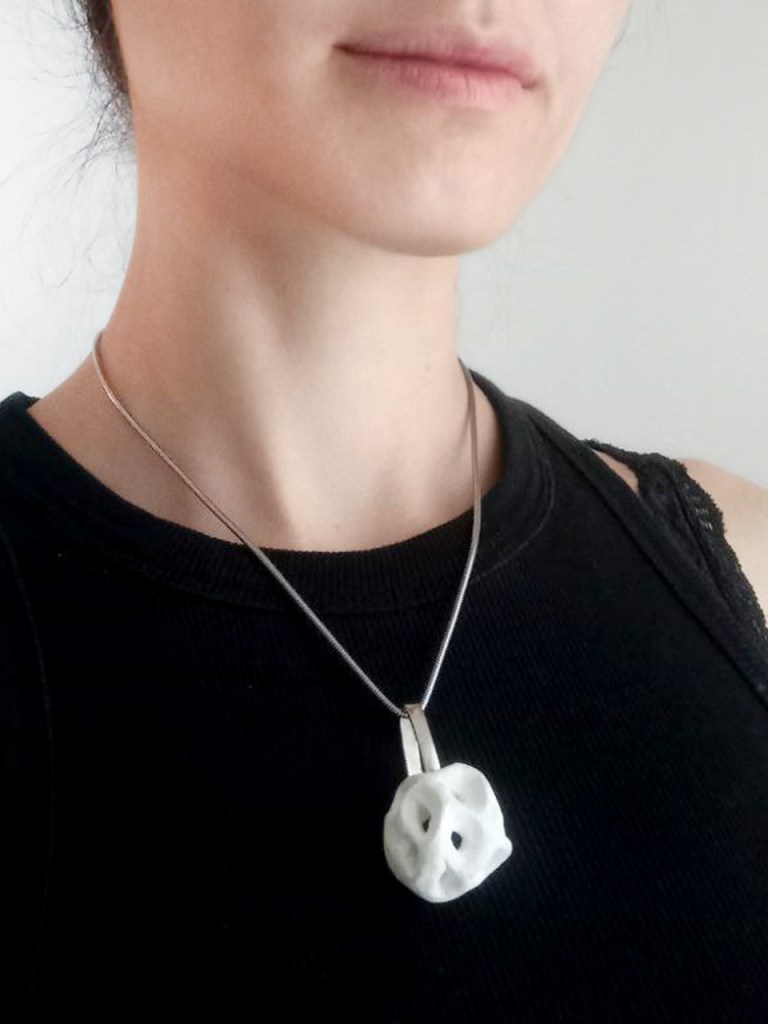
Pendants made of air drying clay made with participants at the Long Night of Science Dresden 2023-2024,2026.
New “Collection”
Diatoms Diamonds
I have dreamed of working with glass for a very long time, and finally in March 2026 it happened. The “fever of borosilicate” caught me. I love this medium as it continues to keep me in this intersection between life, art and science, and with it the project expands into a new “collection”.


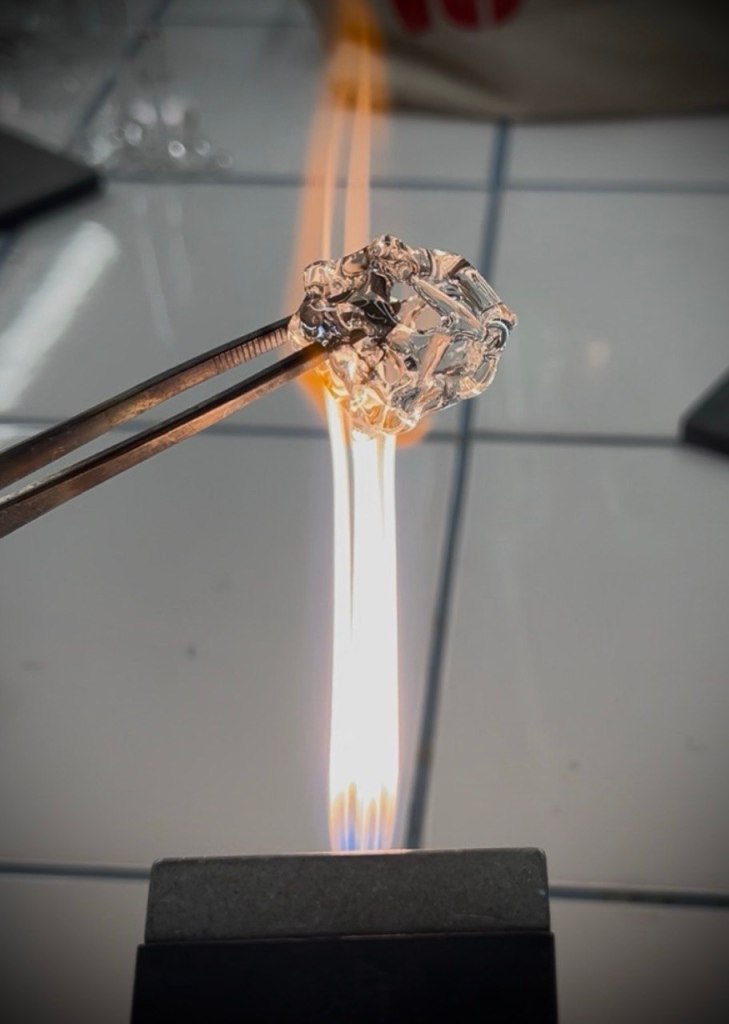


Borosilicate flaming work
🌊

